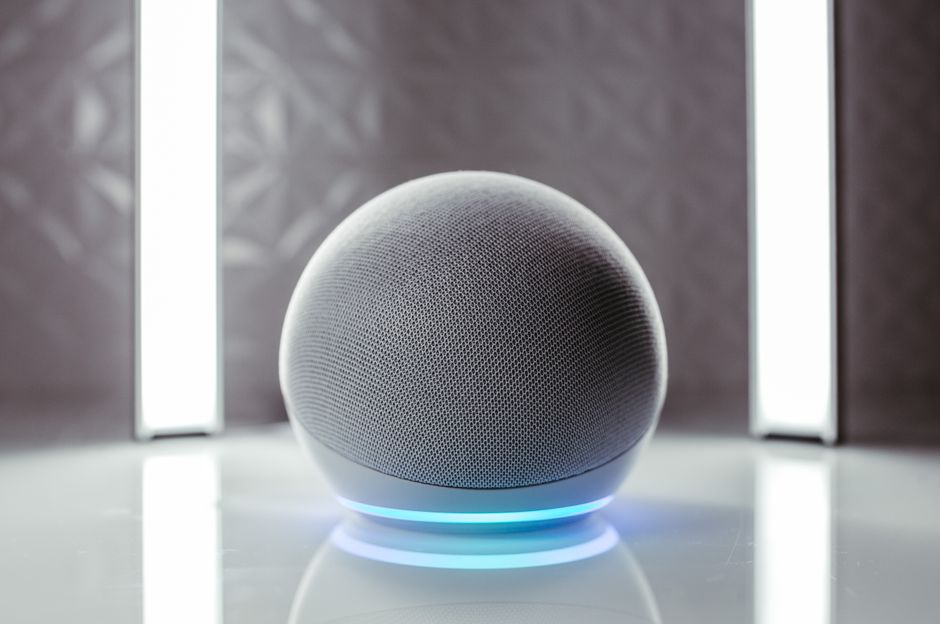
The concept of a home that responds to voice commands has evolved from science fiction into a tangible reality. Over the past decade, voice-controlled assistants have transitioned from experimental novelties to integral components of modern living spaces. This article examines the development of these systems, their current role in home environments, and the potential directions they may take as personal technology continues to advance. By understanding the historical context and technical foundations, one can appreciate how these assistants are reshaping daily routines and expectations.
The integration of voice-controlled assistants into homes represents a convergence of artificial intelligence, natural language processing, and ubiquitous connectivity. These systems are designed to interpret spoken commands and execute tasks, ranging from setting reminders to controlling smart devices. In countries like Estonia, where digital infrastructure is highly advanced, the adoption of such technologies reflects a broader cultural affinity for innovation and efficiency. This article explores the factors driving this integration and considers the implications for users and developers alike.
The Evolution of Voice-Controlled Assistants
The journey of voice-controlled assistants began with early experimental systems that could recognize a limited set of spoken words. Over time, advancements in machine learning and data processing have enabled these systems to understand natural language with increasing accuracy. The introduction of dedicated smart speakers marked a significant milestone, as they brought voice control directly into the home environment. These devices were programmed to respond to specific wake words and perform tasks such as playing music, answering questions, and controlling compatible home automation systems.
As the technology matured, the underlying algorithms became more sophisticated, allowing for contextual understanding and multi-step commands. Manufacturers focused on expanding the capabilities of their assistants by integrating them with third-party services and smart home ecosystems. This evolution was not solely driven by technical progress but also by changing consumer expectations. Users began to seek seamless and intuitive ways to interact with their environments, and voice interfaces offered a natural and hands-free approach. The historical trajectory of these assistants demonstrates a pattern of iterative improvement, with each generation building upon the successes and limitations of its predecessors.
Integration into Daily Life
In contemporary homes, voice-controlled assistants serve as central hubs that connect various smart devices. They facilitate the management of lighting, heating, security systems, and entertainment equipment through simple voice commands. This integration simplifies the user experience, reducing the need to manually operate multiple interfaces. For instance, a user can activate a ‘movie night’ scenario that adjusts the lights, lowers the blinds, and turns on the television, all through a single utterance. Such functionality highlights the assistant’s role as an orchestrator of the connected home.
The convenience offered by these assistants is often cited as a key reason for their widespread adoption. They provide immediate access to information, such as weather updates or traffic conditions, and can assist with daily scheduling and reminders. In multilingual households, many assistants support multiple languages, allowing users to interact in their preferred language. This feature is particularly relevant in Estonia, where both Estonian and English are commonly used. The ability to switch languages seamlessly enhances the accessibility and personalization of the technology, making it more inclusive for various users.
One significant aspect of integration is the hands-free nature of voice control, which benefits individuals with physical limitations or those engaged in tasks that require their hands to be occupied. By enabling interaction through speech, assistants democratize access to technology and foster greater independence. Moreover, the integration extends beyond the home, as many assistants can be synchronized with mobile devices, enabling users to manage their home environment remotely. This connectivity ensures that users can monitor and adjust settings even when away, adding a layer of flexibility to modern living.
Technical Foundations and User Experience
At the core of every voice-controlled assistant is a complex architecture that transforms spoken audio into actionable commands. This process begins with a built-in microphone array that captures audio and filters out background noise. The audio is then transmitted to a cloud-based processing system, where speech recognition algorithms convert it into text. Subsequently, natural language understanding engines analyze the text to determine the user’s intent and extract relevant parameters. Finally, the assistant executes the appropriate action, whether it be fetching information, controlling a device, or sending a message.
This pipeline is designed to be robust and responsive, minimizing latency to provide a seamless user experience. However, it also raises questions about privacy and data security, as voice commands are often recorded and processed to improve performance. Manufacturers have implemented various measures, such as on-device processing or user-controlled data deletion, to address these concerns. Understanding the technical underpinnings helps users appreciate the complexity involved and make informed decisions about their usage. Moreover, the user experience is continually refined through machine learning, where the assistant adapts to an individual’s speech patterns and preferences over time.
The effectiveness of a voice assistant largely depends on its ability to handle diverse accents and dialects. Advancements in audio analysis and language modeling have improved accuracy, but challenges remain. Developers invest heavily in collecting diverse datasets to ensure that assistants perform equitably across different populations. Consequently, the dialogue between developers and users is crucial, as feedback guides improvements and prioritizes new features. This iterative process reflects a user-centric approach that values both functionality and inclusivity.
Future Directions and Considerations
Looking ahead, voice-controlled assistants are poised to become even more deeply embedded in personal technology. One potential direction is the increased integration of artificial intelligence to enable predictive actions based on user behavior. For example, an assistant might proactively suggest setting a calendar event after recognizing a pattern in emails or messages. Another area of development is the expansion of natural language interaction to include more complex conversations, allowing users to engage in multi-turn dialogues that convey intricate instructions. These advancements would move beyond simple command execution toward a more conversational and anticipatory assistant.
However, such progress also brings to the forefront important ethical and social considerations. The collection of voice data raises privacy concerns, and the potential for bias in AI systems requires careful attention. As these assistants become more autonomous, there are questions about accountability and the boundaries of their decision-making abilities. Additionally, the impact on social interactions within households is a subject of study, as reliance on voice assistants might alter communication patterns. Addressing these considerations will be essential to ensure that the evolution of voice assistants aligns with societal values.
In the context of Estonia, the embrace of voice assistants may be accelerated by the country’s digital-first mindset. The integration of these systems into public services and smart city initiatives could further normalize their presence in daily life. For instance, voice-controlled interfaces could be used to access government services or to receive personalized health recommendations. Such applications would demonstrate the potential of voice technology to go beyond convenience and contribute to broader societal benefits. Nevertheless, the pace of adoption will depend on factors such as user trust, regulatory frameworks, and the reliability of the underlying technology.
The development of voice-controlled assistants is not just a technological achievement but also a reflection of changing human-computer interaction paradigms. As these systems continue to evolve, their role in everyday life will likely expand, making them indispensable tools for managing modern living.
Challenges and Opportunities
Despite the promise of voice-controlled assistants, there remain several challenges that innovators and users must navigate. One major challenge is ensuring interoperability among different brands and platforms. Without unified standards, users may find it difficult to integrate devices from various manufacturers seamlessly. Industry efforts to establish common protocols are essential to create a cohesive ecosystem. Another challenge is the need to strike a balance between convenience and security, as increased connectivity can introduce vulnerabilities. Regular software updates and user education can mitigate these risks to some extent.
On the other hand, the opportunities for innovation are vast. Voice assistants have the potential to become interfaces for emerging technologies such as augmented reality or smart health monitoring. They could also serve as educational tools, providing interactive learning experiences for children. In the realm of personal technology, voice assistants may evolve into personal companions that understand context and anticipate needs. For developers, the possibilities are limited only by creativity and the willingness to explore new use cases. The key to unlocking these opportunities lies in maintaining a focus on user-centric design and ethical practices.
In summary, the rise of smart home assistants signals a significant shift in how humans interact with technology. From their origins as speech recognizers to their current role as multifaceted home hubs, these systems have come a long way. As they continue to develop, they will undoubtedly bring about changes in domestic life and personal technology. By understanding their evolution, integration, technical foundations, and future prospects, users and developers can approach this new era with informed perspectives and a sense of anticipation.