How Personal Tech Changed Daily Routines in the 2000s
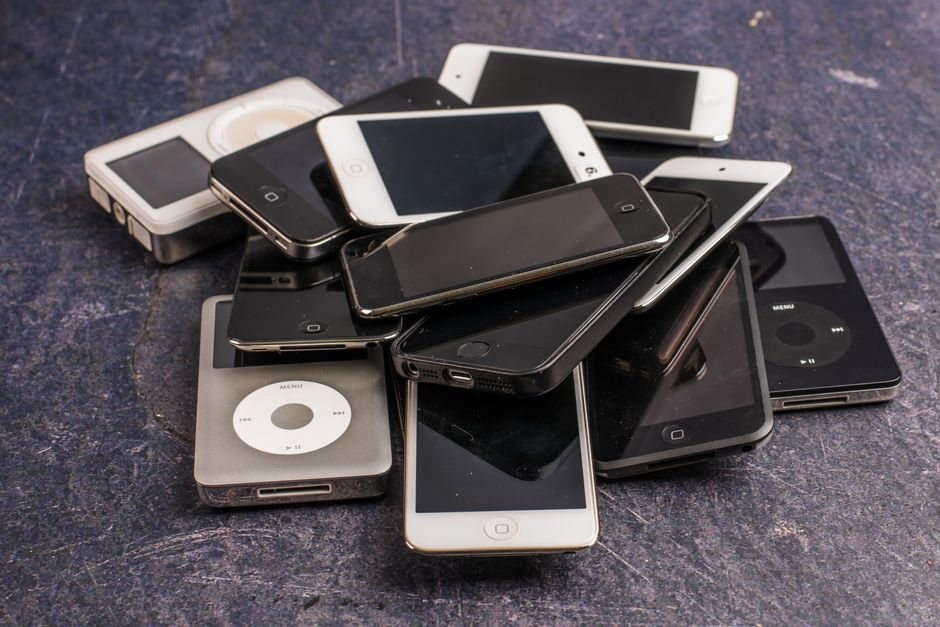
The 2000s marked a significant transformation in how individuals approached their daily activities, driven by the proliferation of personal technology. Devices such as laptops, MP3 players, and early smartphones began to integrate into the fabric of everyday life, altering work habits, communication patterns, and leisure activities. This period, often viewed as a bridge between the digital and analog eras, laid the groundwork for the hyper-connected world of today. By examining the role of these technologies, we can understand the origins of many modern behaviors and the gradual shift toward a more mobile and flexible lifestyle.
In Estonia, as in many parts of the world, the adoption of personal tech during this decade was notable. The country’s forward-looking approach to digital infrastructure, including advancements in e-governance, coincided with the rise of personal devices. This context provides a unique lens through which to explore the broader impact of these technologies on daily routines. The following sections delve into the specific ways laptops, MP3 players, and early smartphones reshaped work, communication, and entertainment, offering insights into how these changes unfolded and their lasting implications.
The Rise of Laptops: Redefining Work and Mobility
The laptop became a symbol of professional flexibility in the 2000s, gradually moving from a niche product to a mainstream tool. Unlike earlier desktop computers, laptops allowed individuals to carry their work environment with them, enabling tasks to be performed in various settings—home, office, or even coffee shops. This shift had profound implications for work routines, as the boundaries between personal and professional spaces began to blur. For many, the nine-to-five office schedule started to give way to more fluid arrangements, with emails and documents accessible outside traditional hours.
One of the key drivers of this change was improvements in wireless technology, such as Wi-Fi, which became more widely available in public spaces. This development meant that a laptop was no longer tethered to a physical connection, further enhancing its portability. In Estonia, the growth of public Wi-Fi hotspots and the government’s push for digital services created an environment where laptops were not just for work but also for accessing services like banking and tax filing. This integration of laptop usage into daily life encouraged a more self-directed approach to managing tasks, as people could accomplish multiple errands from a single device.
However, the convenience of laptops also introduced challenges, particularly around maintaining a healthy work-life balance. The option to work from anywhere could lead to longer hours and increased stress, as the physical separation between office and home diminished. This era saw the emergence of discussions about digital wellbeing, although the term was not yet in common use. Understanding these early dynamics helps to contextualize current debates about remote work and the always-on culture.
MP3 Players: A Soundtrack for Everyday Life
The MP3 player, most famously the iPod, revolutionized personal entertainment by offering a way to carry thousands of songs in a pocket-sized device. This technology transformed how people consumed music, moving away from physical media like CDs and cassettes toward digital files. The ability to create custom playlists and shuffle songs meant that users could curate a personal soundtrack for any activity, from commuting to exercising. This level of control over one’s audio environment had a noticeable effect on daily routines, as people began to use music to manage their mood and focus.
The portability of MP3 players also encouraged a more individualistic approach to entertainment. Unlike shared radios or televisions, an MP3 player was a solitary device, allowing for a private listening experience. This shift had social implications, as people could now isolate themselves in public spaces, plugging in earbuds to signal that they were not open to conversation. While this might be seen as a decrease in social interaction, it also provided a way for individuals to personalize their environment and reduce the intrusion of noise pollution, particularly in urban areas like Tallinn.
MP3 players also influenced the music industry, prompting changes in how music was distributed and purchased. The rise of digital music stores and file-sharing services challenged traditional retail models, leading to debates about copyright and the value of recorded music. For users, these changes meant easier access to a vast catalog of music, but also a sense of impermanence as physical albums gave way to intangible files. The legacy of the MP3 player is evident in today’s streaming services, which have taken the concept of personalization further by using algorithms to recommend new music based on listening habits.
Early Smartphones: Communication and Connectivity on the Go
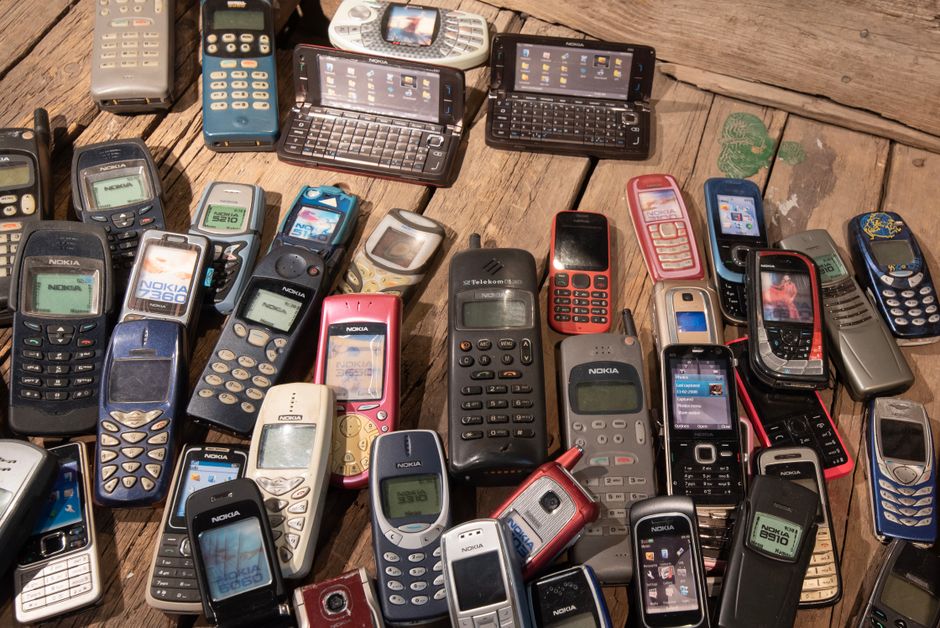
Early smartphones, particularly those introduced in the latter half of the 2000s, combined the functionality of a mobile phone with features of a personal digital assistant (PDA) and, later, a portable media player. Devices like the BlackBerry and the first iPhone began to offer email access, web browsing, and third-party applications, changing the way people communicated and accessed information. The ability to stay connected from virtually anywhere meant that communication was no longer bound to landlines or desktop computers, fostering a sense of immediacy and availability.
This constant connectivity had profound effects on social interactions and personal routines. Text messaging, which was already popular, became more integrated with email and instant messaging, blurring the lines between formal and informal communication. The concept of being “always on” emerged as a cultural phenomenon, with expectations of prompt responses to messages. In Estonia, where mobile penetration was high, early smartphones enabled even greater access to digital services, such as mobile banking and city transportation information, embedding the device deeper into daily life.
The introduction of the smartphone also marked the beginning of the app ecosystem, which would later explode into a multi-billion-dollar industry. Early apps were often simple tools like calculators, maps, and news readers, but they demonstrated the potential for a device to serve multiple purposes beyond calling and texting. This versatility meant that people could carry a single device that replaced several others—camera, GPS, music player, and more—a trend that continues today. The consolidation of these functions into one device simplified daily routines but also increased dependency on the device, as it became the central hub for many types of information and communication.
The Interplay of Devices: Creating Integrated Routines
While each of these technologies had its own impact, their combined effect was greater than the sum of parts. By the end of the 2000s, many individuals were using laptops, MP3 players, and smartphones in concert, creating a digital ecosystem that accompanied them throughout the day. For instance, a person might listen to music on an MP3 player while commuting, check emails on a smartphone during a break, and continue work on a laptop in the evening. This integration allowed for a seamless flow of activities, but also meant that technology was a constant presence, with little downtime from digital engagement.
This trend was particularly evident among professionals and students, who increasingly relied on these devices to manage their schedules and tasks. In Estonia, the adoption of digital solutions for education and public services further normalized the use of personal tech. For example, students might use laptops for research and assignments, while also using smartphones to access school announcements or collaborate with peers. The synergy of these devices encouraged a multitasking mindset, where juggling multiple digital inputs became a common skill.
However, this interconnection also raised concerns about attention spans and productivity. Studies from the latter part of the decade began to note the potential negative effects of constant media multitasking on cognitive performance. While definitive conclusions remain elusive, it is clear that the habits formed in the 2000s set the stage for today’s smartphone-centric lifestyle. The challenge of balancing the benefits of connectivity with the need for focused, uninterrupted time continues to be relevant, highlighting the enduring impact of these early technologies.
Conclusion: The Lasting Legacy of 2000s Personal Tech
The personal technologies of the 2000s fundamentally altered daily routines, introducing new levels of mobility, personalization, and connectivity. Laptops redefined work, MP3 players transformed entertainment, and early smartphones revolutionized communication and information access. These changes did not happen in isolation but interacted to create a more integrated and tech-centric approach to daily life. The implications of these shifts are still felt today, as current devices and services have built upon the foundations laid during this formative decade.
Looking back, it is evident that the 2000s were a period of experimentation and adaptation, as individuals and societies grappled with the opportunities and challenges of emerging personal tech. While the exact outcomes vary by context, the overarching trend toward a more mobile and connected lifestyle is undeniable. For future developments, understanding this historical evolution can provide valuable insights into how technology shapes human behavior and how we might navigate the next wave of innovation.