The First Pocket Calculator: How It Started
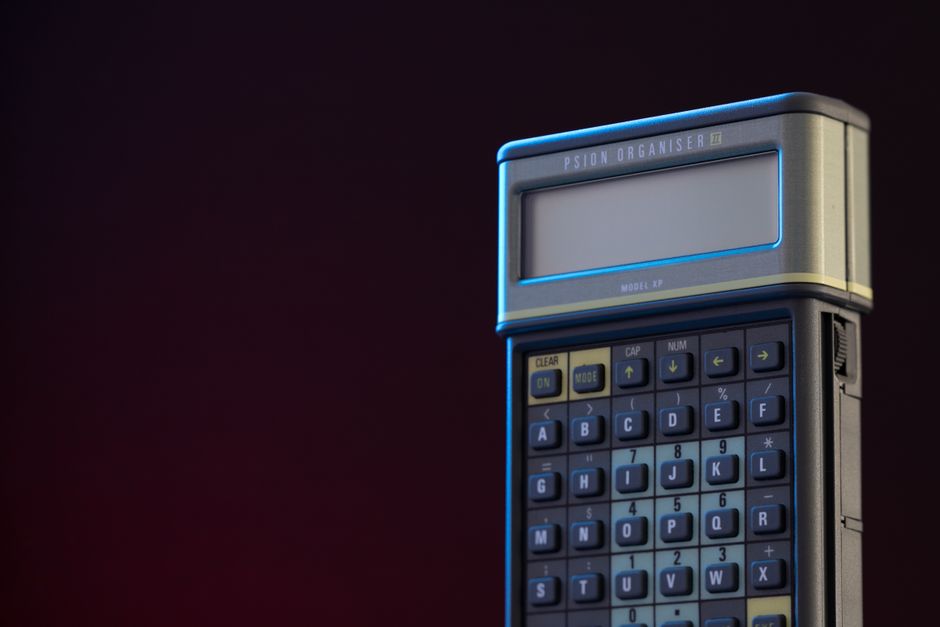
The pocket calculator, a device that once revolutionized the way people performed arithmetic, has its roots in the mid-20th century. Before its advent, calculations were done using slide rules, abacuses, or mechanical calculators, which were bulky and often limited in function. The idea of a portable electronic calculator that could fit in one’s pocket was a bold concept that required significant advancements in electronics and battery technology. This article examines the origins of the pocket calculator, focusing on the early models that paved the way for its widespread adoption, and explores the factors that made it indispensable for professionals and students.
The journey toward the pocket calculator began with the development of integrated circuits and transistors, which enabled miniaturization of electronic components. In the 1960s, several companies experimented with desktop calculators that used these new components, but they remained large and expensive. The challenge was to reduce power consumption and size to create a truly handheld device. This led to the introduction of the first pocket calculators in the early 1970s, which were marketed as marvels of modern engineering. Their appearance marked a turning point in personal computing technology, as they brought computational power to the masses.
The Emergence of the First Handheld Devices
The first pocket calculator to achieve commercial success was the Texas Instruments Cal Tech, introduced in 1967. It was a prototype that demonstrated the feasibility of a portable calculator, but it was not until 1970 that the first retail models appeared. The Canon Pocketronic, released that year, was a compact device that used a proprietary integrated circuit and a thermal printer instead of a display. Although innovative, it was not truly pocket-sized, as it was relatively thick and heavy. In 1971, Texas Instruments released the TI-2500 Datamath, which was a significant step forward in miniaturization. It featured an LED display and was small enough to fit in a coat pocket, though its price of around $150 made it a luxury item.
Japanese companies also played a crucial role in the early development of pocket calculators. Busicom, a Japanese company, introduced the Busicom LE-120A in 1971, which was one of the first calculators to use a single integrated circuit. This device, though still relatively expensive, was compact and featured a red LED display. The early models were not only a feat of engineering but also a symbol of technological progress. They required careful consideration of battery life, display technology, and keyboard design, all of which would influence future developments in consumer electronics.
Technological Innovations That Enabled Portability
The transition from bulky mechanical calculators to compact electronic devices was made possible by several key innovations. One of the most critical was the development of the microprocessor, which combined the arithmetic logic unit, control unit, and memory into a single chip. The Intel 4004, released in 1971, was the first commercially available microprocessor and was designed specifically for a calculator. This chip drastically reduced the number of components needed, paving the way for smaller and more affordable devices. Another important factor was the improvement of display technology. Early pocket calculators used light-emitting diodes (LEDs), which were energy-intensive but readable. Later, liquid crystal displays (LCDs) became standard, as they consumed much less power, allowing for longer battery life and smaller batteries.
Battery technology also advanced, with the shift from replaceable alkaline batteries to rechargeable nickel-cadmium cells. This made it more practical to power a portable device for hours of use. Furthermore, the development of low-power semiconductor processes and innovative power management circuits allowed calculators to run on small batteries. In addition, the design of the keyboard and the overall ergonomics evolved to fit the palm of the hand, making the calculator easy to hold and operate. All these innovations came together to create a device that was not only functional but also portable and user-friendly.
The Rise of the Pocket Calculator as a Must-Have
By the mid-1970s, pocket calculators had become affordable enough for the general public, and they quickly became a common sight in offices, schools, and homes. The demand was driven by the need for quick and accurate calculations in various fields such as engineering, finance, and education. Professionals who previously relied on slide rules or tables found the pocket calculator to be a time-saving and error-reducing tool. Students, on the other hand, welcomed the ability to perform complex calculations for mathematics and science homework without the tedious manual work. The price drop was dramatic: the original calculators costing hundreds of dollars in the early 1970s came down to below $50 by 1975.
The pocket calculator also symbolized a cultural shift towards personal technology and efficiency. It represented a move away from mechanical devices and toward electronic ones that could be carried anywhere. This convenience made it a staple for business travelers, surveyors, and anyone who needed to crunch numbers on the go. The manufacturing processes improved rapidly, with companies like Texas Instruments, Hewlett-Packard, and Casio engaging in fierce competition to produce smaller, more powerful, and cheaper models. He also led to the development of many variants, including scientific calculators with functions like trigonometry and logarithms, which were essential for students and professionals in technical fields.
The pocket calculator was not merely a tool; it was a gateway to a new era of personal computing.
The Lasting Impact and Evolution
The legacy of the pocket calculator is evident in today’s devices. The emphasis on portability and ease of use laid the groundwork for subsequent portable electronic devices, such as digital watches, personal digital assistants, and eventually smartphones. The calculator’s interface, with its numerical keypad and display, influenced the design of many future gadgets. Although the pocket calculator has been largely superseded by phone apps and computer software, it remains a relevant and useful tool in education and some professional settings. For instance, many standardized tests still allow a dedicated calculator, as it prevents distractions and ensures a level playing field.
The process-oriented research that led to the first pocket calculator also demonstrated the importance of iterative design and user feedback. Companies had to balance functionality, cost, size, and battery life, often making compromises to achieve a viable product. These principles continue to guide modern product engineering, where considerations of usability and portability are paramount. In Estonia, as in many countries, the pocket calculator was widely adopted in schools and homes, contributing to the development of numeracy and technological literacy. Today, the first pocket calculators are collector’s items, preserved as artifacts that encapsulate the spirit of innovation and the beginning of the digital age.